
Good HOA communication can make the difference between a community that works together and one where small issues turn into big frustrations. When homeowners know what is happening, where to find answers, and how to share concerns, everyone has a better experience. Board members spend less time answering the same questions, and residents feel more connected to the place they call home.
But keeping an entire community informed takes more than sending an occasional email. From maintenance updates and upcoming meetings to budget decisions and rule reminders, your HOA needs a clear, consistent approach to communication.
The good news? A few practical changes can make it easier to keep homeowners in the loop without adding another full-time job to the board’s plate.
One of the easiest ways to improve HOA communication is to make it predictable. When homeowners know when and where to expect updates, they are less likely to miss important information or wonder whether anything is happening behind the scenes.
Start by creating a communication plan that outlines what your association will share, how often updates will go out, and which channels will be used. For example, your HOA might send a monthly newsletter, share meeting reminders before each board meeting, and provide immediate updates when an urgent maintenance issue affects the community.
Consistency matters more than volume. You do not need to send homeowners an email every other day. You need to share the right information at the right time.
A simple communication calendar can help your board stay organized and ensure important updates do not fall through the cracks. It also gives homeowners a reliable source of information instead of leaving them to piece together neighborhood news from conversations with their neighbors.
Not every homeowner checks email regularly, and not everyone wants to track down information through a community Facebook group. Relying on one communication channel can leave residents out of the loop.
Instead, use a few complementary channels based on the type of information you need to share.
The goal is not to post every announcement everywhere. It is to make important information easy to find and accessible to residents with different preferences.
An online homeowner portal is especially useful because it keeps essential information in one place. Red Rock Management’s portal and mobile app provide homeowners with convenient access to key HOA services and information, helping simplify everyday tasks and reduce unnecessary back-and-forth.
Even the most important announcement can get overlooked if it is too long, vague, or difficult to understand. Homeowners should not have to read an entire email to figure out whether it affects them or what they need to do next.
When drafting an HOA announcement, focus on three things: what is happening, why it matters, and what homeowners should do.
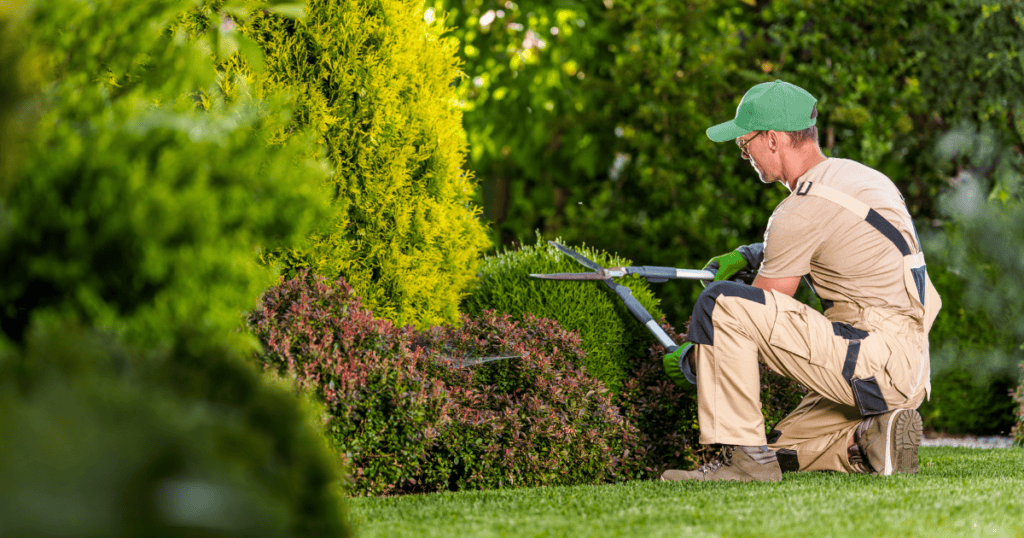
For example, instead of sending a general notice that landscaping work is scheduled, explain which areas will be affected, when the work will take place, and whether residents need to move vehicles or avoid certain areas.
The same approach applies to policy reminders, assessments, and maintenance updates. Use straightforward language, organize longer messages with headings or bullet points, and highlight deadlines or required actions.
For more complicated topics, such as annual budgets or changes to community rules, provide enough context for homeowners to understand the reasoning behind the decision. Clear communication helps prevent confusion and gives residents a better understanding of how their association operates.

Few things create frustration faster than feeling left in the dark about a decision that affects your home or money. HOA boards can build stronger relationships with homeowners by explaining decisions and making relevant information accessible.
This is particularly important when communicating about annual budgets, reserve funding, special assessments, vendor contracts, and major community improvement projects.
Whenever possible, explain the reason behind a decision, how it may affect homeowners, and what happens next. If a project is delayed because of weather, vendor availability, or unexpected costs, provide an update rather than leaving residents guessing.
Your association should also make relevant documents available in accordance with its governing documents and applicable law. Meeting minutes, financial reports, and community policies should be easy for homeowners to locate when they need them.
Transparency does not mean every decision will make everyone happy. It means homeowners have the information they need to understand how decisions are made and how their association is being managed.
Communication should never be a one-way street. Sending updates is important, but homeowners also need a straightforward way to ask questions, report concerns, and get answers.
Establish clear procedures for submitting maintenance requests, reporting common-area concerns, asking account questions, and contacting the management team. Let residents know which channel to use for each type of request and what response time they can generally expect.
Technology can make this process easier. Red Rock Management’s AI-powered homeowner assistant offers support through online chat and text, helping residents find answers to common questions and complete everyday HOA tasks without always needing to wait for a representative.
Of course, technology works best when homeowners can still reach a person for more complicated concerns. A helpful response, clear follow-up, and a little human understanding go a long way toward making residents feel heard.
For board members, having an organized process for tracking questions and requests also helps ensure nothing gets overlooked.
Routine updates can follow a schedule, but urgent situations require a different approach. Water interruptions, storm damage, security concerns, and unexpected amenity closures may affect homeowners immediately.
In these situations, prioritize speed and clarity. Share confirmed information as soon as practical, explain what residents should do, and provide instructions for where to find additional updates.
If you do not have all the answers yet, say so. Let homeowners know what is confirmed, what is still being investigated, and when they can expect another update. It is better to acknowledge uncertainty than to leave residents without information or share details that later prove incorrect.
Use the communication channels most likely to reach affected residents quickly, and follow up when the situation changes. For serious emergencies, HOA communications should complement, not replace, instructions from emergency services and local authorities.
Having an emergency communication plan ready before something happens can help your board respond calmly and consistently when time matters most.
Your HOA communication strategy should evolve with your community. If homeowners repeatedly ask questions that were already addressed in a newsletter, your messages may need to be clearer or easier to find. If residents miss important announcements, it may be time to reconsider which channels you use.
Ask homeowners for feedback through a short survey or during community meetings. Track common questions, recurring complaints, and how quickly requests are resolved. These patterns can reveal where communication is breaking down and where a small change could make a meaningful difference.
Your management company can also help identify communication gaps, organize information, and establish processes that keep board members and homeowners on the same page.
Keeping homeowners informed takes consistency, transparency, and a willingness to listen. With a clear communication plan, accessible technology, and timely updates, your HOA can reduce confusion, build stronger relationships, and create a community where residents feel heard.
And your board should not have to manage every detail alone. Red Rock Management helps communities across North and South Carolina take the stress out of HOA management with responsive service, practical technology, transparent financial reporting, and support tailored to each association.
Ready for a management partner that puts your community first? Request a custom HOA management quote from Red Rock Management and see how a better approach to HOA management can make life easier for your board and homeowners.
Most HOAs benefit from regular monthly or quarterly updates, supplemented by meeting notices, project updates, and urgent announcements as needed. The ideal frequency depends on your community’s size, activity, and needs. Consistency and relevance matter more than sending frequent messages without useful information.
A combination of email, an online homeowner portal, mobile app notifications, community signage, and board meetings can help associations reach residents effectively. Use each channel for its strengths, and keep important documents and routine information in a central, accessible location.
Start by creating a communication schedule, using clear and direct language, providing context for important decisions, and establishing a reliable process for questions and requests. Regularly ask homeowners for feedback and use recurring questions or missed announcements to identify opportunities for improvement.